If you had bile duct surgery, you might be wondering what happens next. This guide is here to help you understand what to eat, ways to move your body, and what to take to support digestive health.
What is Bile and How Does it Work?
Bile is a greenish-yellow fluid produced by the liver and stored in the gallbladder that aids in digestion and waste elimination. The primary functions of bile are to neutralize stomach acid, break down fats, and help absorb fat-soluble vitamins. Bile ducts are small tubes that transport bile to the small intestine. Bile ducts play a crucial role in digestive health, as they facilitate the digestion of fats and the absorption of nutrients.
Bile duct surgery is necessary when there is a blockage in the bile ducts, such as gallstones or biliary atresia. Gallstones are hardened deposits that form in the gallbladder, while biliary atresia is a congenital condition where the ducts are blocked or scarred. Somebody may also require bile duct surgery for bile duct cancer, chronic inflammation, and bile duct leaks. Each of these conditions interferes with the flow of bile, impacting digestion and overall wellness.
Understanding how bile duct surgery affects digestion is essential for maintaining long-term digestive health. Recovery involves careful attention to post-surgery diet, lifestyle adjustments, and medical guidance. In this article, you will learn about the best foods after bile duct surgery, helpful lifestyle changes, beneficial supplements for digestion, and when to seek medical guidance to ensure optimal digestive wellness.
Understanding the Role of the Bile Duct in Digestion
The function of the bile ducts is crucial for proper digestion, especially after bile duct surgery. When fatty foods enter the small intestine, bile, a fluid produced by the liver, is released through the bile duct. The bile production contains bile salts, which act as natural emulsifiers, breaking down large fat globules into much smaller droplets known as micelles.
This process, called emulsification, increases the surface area of fats, allowing digestive enzymes, such as lipase produced by the pancreas, to break them down more effectively into fatty acids and glycerol. These micelles also transport vitamins A, D, E, and K to the intestinal wall. From there, these vitamins are absorbed through the bloodstream.
Understanding the bile duct function is crucial, as proper bile flow supports healthy digestion and overall nutritional well-being.
Common Digestive Issues After Bile Duct Surgery
Bile duct surgery can significantly impact digestion, as it alters the release of bile and the breakdown of fats. While the procedure restores a steady flow of bile, improves nutrient absorption, and resolves pain, inflammation, and other complications caused by blockages, it can also lead to temporary post-surgery symptoms.
Common digestive problems after bile duct surgery include bloating and gas, heartburn and indigestion, and fat maldigestion. These symptoms are typically temporary but can sometimes be persistent, a condition known as Post-Cholecytectomy Syndrome (PCS).
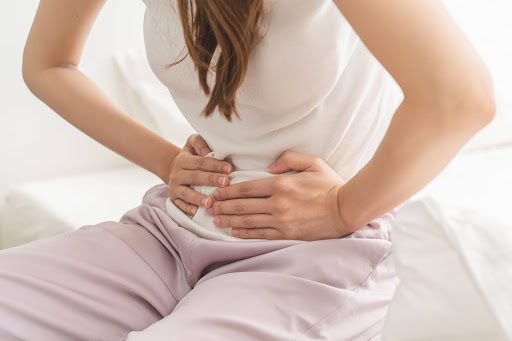
PCS may present with abdominal pain, indigestion and bloating, intolerance to fatty foods, nausea and vomiting, diarrhea, heartburn, and flatulence. The duration of PCS varies; for some, symptoms resolve within a few weeks to months, while for others, they may persist for years. Long-term symptoms are often linked to more permanent conditions such as bile duct stricture. Understanding these symptoms can help patients manage recovery more effectively.
Diet Tips to Support Digestive Health
Following bile duct surgery, maintaining a proper nutrition plan to support recovery and overall digestive health is essential. Key strategies include consuming smaller portions of food, eating more frequently, focusing on low-fat foods, and gradually increasing fiber intake. By following these guidelines, patients can help their bodies adjust to changes in bile flow and reduce common post-surgery symptoms.
Eating Smaller, More Frequent Meals
Eating smaller portions throughout the day prevents the digestive system from becoming overloaded, allows the body to adjust to the new bile flow, and helps manage symptoms that may arise after surgery. This approach can reduce bloating and indigestion, minimize acid reflux, and place less strain on the digestive system.
Focus on a Low-Fat Diet for Digestion
A low-fat diet for digestion helps take pressure off the digestive system as it begins to heal, allowing food to be absorbed more effectively. Consuming high-fat foods directly after surgery can lead to digestive discomfort, including diarrhea, bloating, and fat malabsorption. Recommended healthy fat sources in small portions include olive oil, avocado, nuts and seeds, and fatty fish.
Gradually Include Fiber
Including fiber gradually helps promote regular bowel movements without overwhelming the digestive system. Soluble fiber, found in foods like oats, bananas, and apples, is particularly beneficial during the first week after surgery. Soluble fiber removes excess bile, nourishes the gut microbiome, improves stool consistency, and helps regulate blood sugar levels.
Stay Hydrated
Proper hydration is essential for supporting the healing process, helping to flush out toxins, and preventing complications such as constipation and blood clots. Drinking adequate water helps optimize digestion after bile duct surgery.
By following a well-planned bile duct surgery diet, focusing on low-fat meals, incorporating the right soluble fibers, and staying hydrated, patients can promote their overall digestive wellness and improve recovery outcomes.
Helpful Supplements for Post-Surgery Digestive Support
After Bile duct surgery, proper nutrition and supplement support are essential for recovery and digestive health. Supplements such as vitamin C, Zinc, B vitamins, and probiotics contribute significantly to the body’s healing process. The combination of these supplements will aid in the formation of new tissues, reduce inflammation, prevent infections, and help the body function overall.
- Vitamin C is essential for wound healing and tissue regeneration after surgery. It also helps reduce inflammation and boost the immune system, which may be weakened during the post-surgery recovery period.
- Zinc supports wound healing, immune function, and tissue regeneration. After bile duct surgery, zinc supplements can help prevent infections and promote faster recovery.
- B Vitamins are essential for energy production, cell growth, and nervous system function. Taking a Vitamin B supplement can aid in red blood cell formation, boost energy, and support overall recovery.
- Probiotics are highly beneficial for digestive health after bile duct surgery. They help restore gut microbiome balance and reduce post-surgery digestive issues. Taking a probiotic can help regulate the gut environment and alleviate symptoms such as diarrhea, bloating, and indigestion.
- Digestive Enzymes supplements can help break down food, such as proteins, fats, and carbohydrates, so it is easier to digest. Always consult with a doctor to determine the right type and dosage, as this is highly individualized.
Incorporating these post-surgery supplements into your bile duct surgery recovery plan can help improve digestive function. Always consult with your healthcare provider before starting any new supplements.
Lifestyle Tips for a Smooth Recovery
Recovering from bile duct surgery requires more than medical care and vitamins; it also depends on healthy lifestyle habits. Incorporating gentle physical activity, stress management, and quality sleep can greatly enhance recovery. These lifestyle choices promote better digestion, improve energy levels, and strengthen both physical and emotional resilience during the healing process. Our surgical resources include additional education materials, to better prepare for treatment.
Incorporating Gentle Physical Activity
After bile duct surgery, it is vital to incorporate gentle physical activity into your daily routine. Start with short, gentle walks and gradually increase your distance as your strength returns. Always listen to your body, making sure not to put strain on your surgical site. Light exercise reduces the risk of blood clots after bile duct surgery by stimulating blood flow. Movement stimulates muscles in the gastrointestinal tract, which improves metabolism and decreases inflammation.
Managing Stress for Better Digestion and Recovery
Managing stress is important for both emotional balance and digestive recovery after bile duct surgery. High stress levels can disrupt digestion and impair gut function after surgery. It increases possible complications such as hyperglycemia, cardiovascular strain, impaired immune function, and gastrointestinal distress.
Incorporate stress-reducing techniques such as deep breathing, meditation, gentle yoga, or mindfulness. Lowering stress levels helps relax the muscles around the gallbladder and bile ducts, supporting normal bile flow and promoting faster recovery
Prioritizing Quality Sleep and Rest
Adequate sleep and rest are critical for tissue repair and immune function. Quality sleep supports the body’s healing process, helps to manage pain, and restores normal bodily functions. To improve your sleep quality after bile duct surgery, establish a relaxing bedtime routine, maintain a consistent sleep schedule, and use pillows for comfort and support. If you’re taking prescribed medications, discuss with your healthcare provider the best timing to minimize sleep disturbances.
By incorporating these lifestyle tips, you can enhance your bile duct surgery recovery, improve digestive health, and support long-term well-being.
When to Seek Medical Advice
After bile duct surgery, it’s essential to monitor how your body responds during recovery closely.While mild digestive issues are common, specific symptoms may signal complications and require medical attention.
While bile flow plays a crucial role in absorbing fat-soluble vitamins (A, D, E, and K), disruptions after surgery can interfere with fat digestion and nutrient absorption. Be alert for symptoms such as fatigue, brittle nails, muscle weakness, or vision problems. To identify deficiencies early, routine blood tests and professional guidance are encouraged.
Consult the Right Specialist
If you experience persistent discomfort, digestive issues, or unexplained weight loss, seek help from a qualified specialist.
- A hepatologist specializes in liver and bile duct conditions.
- A gastroenterologist can evaluate bile function and check for complications.
- A registered dietitian can create a personalized nutrition plan that supports healing and improved digestion.
Knowing when to reach out to a specialist ensures that you recover from bile duct surgery promptly and helps you heal more effectively.
Take Care of Your Digestive Health at the Surgical Clinic
At the Surgical Clinic, our team is committed to delivering expert care to patients recovering from bile duct surgery. We combine advanced surgical techniques, innovative technology, and a patient-centered approach to provide the highest level of care throughout your recovery journey.
Contact the Surgical Clinic today to schedule a consultation with one of our experienced surgeons or digestive health specialists.